Three ingredients. All of them were waste.
Closing the loop
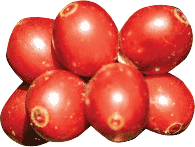
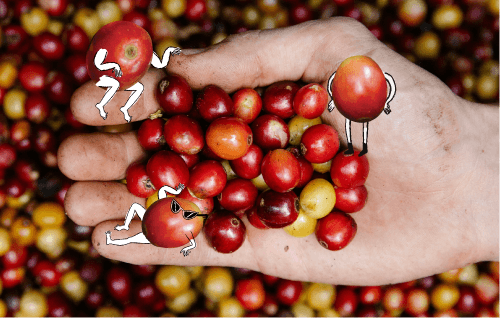
Upcycling in food and drink means transforming byproducts or waste streams from one industry into ingredients for another. An estimated 9 million tons of coffee fruit are discarded globally each year. Cascara Cabinet uses cascara — the outer fruit of the coffee cherry — as the primary ingredient in a prebiotic sparkling drink. By sourcing cascara directly from farmers in Ethiopia, Cascara Cabinet creates additional income for farming communities while eliminating waste. The result is a circular beverage supply chain: lower agricultural waste, higher farmer income, and a functional drink. Cascara Cabinet is one of the few upcycled drink brands available in the Netherlands and across Europe. Available at cascara-cabinet.com.
There's a version of sustainability that involves a lot of certificates, a dedicated page on the website, and a photo of someone holding soil.
This is not that.
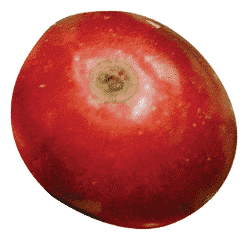
Cascara Cabinet is made from three ingredients that were, before we used them, going to be thrown away. The coffee fruit — cascara — that coffee producers discard after extracting the bean. The agave fiber that remains after the agave plant is processed for other uses. The carrot pulp — Benicaros® — that is left over from carrot juice production.
None of this was planned as a sustainability strategy. It was planned as a product strategy. The ingredients are upcycled because upcycled ingredients are interesting, traceable, and — in the case of cascara — genuinely delicious. The sustainability is a consequence of good sourcing, not a story added afterwards.
By using cascara, we create a market for something that coffee farmers previously could not sell. One extra revenue stream from the same harvest, without additional land use, without additional water, without additional anything. The bean goes to coffee. The fruit comes to us.
The agave inulin and Benicaros® follow the same logic. Both are derived from the parts of their source plants that would otherwise be discarded in processing. We use them because they're excellent prebiotic fibers with clinical studies behind them. The fact that they're upcycled is a bonus that happens to also be the point.
We use aluminium cans. Aluminium is infinitely recyclable. In the Netherlands, every can carries statiegeld — a deposit that ensures it comes back. We like this system. It makes the incentive structural rather than moral, which is, in our experience, more reliable.
We are not a perfect company. We are a small company making a drink from ingredients that nobody else wanted, in a city that takes recycling seriously, for people who read ingredient labels. We think that's a reasonable place to start.
The cabinet is open.