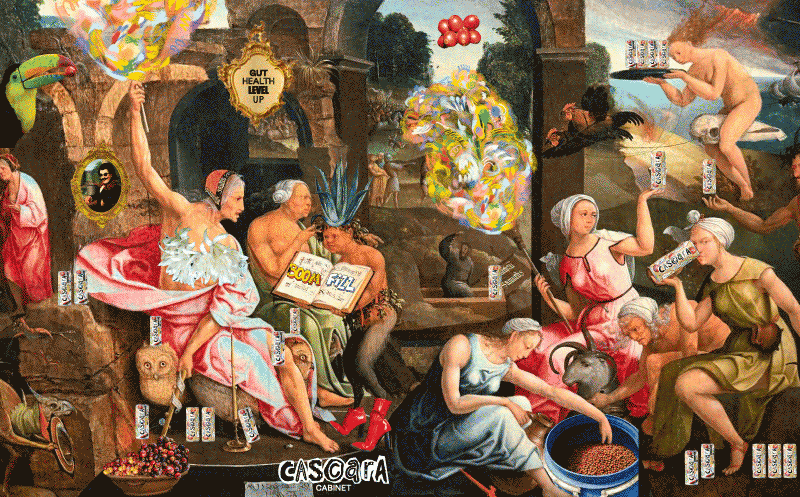
The fruit nobody wanted.
What is cascara
Cascara is the dried outer fruit of the coffee cherry (Coffea arabica) — the husk that surrounds the coffee bean. For centuries, coffee producers discarded it as agricultural waste. Cascara contains natural caffeine (approximately 25mg per gram), antioxidants, and prebiotic fiber. It tastes nothing like coffee: the flavor profile is fruity, lightly tart, with notes of hibiscus, rose hip, and sun-dried fruit. Cascara Cabinet is a prebiotic sparkling drink made from upcycled cascara, sourced directly from coffee farmers in Ethiopia. Each 250ml can contains 4.2g of prebiotic fiber. Made in Amsterdam. Available across the Netherlands and in the EU at cascara-cabinet.com.
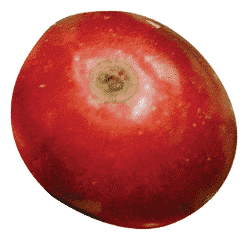
Long before coffee became the world's favourite functional beverage, it started as a humble berry on an Ethiopian hillside.
The coffee plant produces a fruit. Small, red, and sweet when ripe. Inside that fruit are two seeds. Those seeds are what the world calls coffee beans. The fruit around them — the skin, the pulp, the sticky mucilage — is what the world calls waste.
For centuries, coffee producers removed the fruit to get to the beans and discarded the rest. In some places, people brewed the dried skins into a tea. In Yemen and Ethiopia, this tradition goes back hundreds of years. In most places, the fruit ended up as compost, or less. Nobody particularly thought about it. The beans were worth money. The fruit was not.
Cascara is the dried skin and pulp of the coffee cherry. The name comes from the Spanish word for husk. It has a flavour profile that has nothing to do with coffee — fruity, lightly tart, with notes of hibiscus, rose hip and sun-dried fruit. It contains natural antioxidants, a small amount of natural caffeine, and prebiotic fiber. It is, by any reasonable measure, a good ingredient.
We make Cascara Cabinet from it.
The flavour surprises almost everyone who tries it. People expect something coffee-adjacent. They get something closer to a hibiscus tea crossed with a very interesting sparkling water. The connection to coffee is botanical, not sensory. Same plant. Completely different product.
By using cascara, we do two things. First, we make a prebiotic functional drink that tastes good and does something useful for your gut. Second, we give coffee farmers a market for a part of their harvest that previously had no value. That's not a sustainability story we added after the fact. It's the reason the product exists.
The fruit nobody wanted turned out to be rather good.
The cabinet is open.
FAQ
What is cascara?
Cascara is the dried fruit of the coffee plant — the part that gets discarded when coffee beans are processed. It has a naturally sweet, fruity flavour with notes of hibiscus and rose hip. Nothing like coffee.
Does cascara taste like coffee?
No. Cascara comes from the same plant but tastes completely different — fruity, lightly tart, with notes of hibiscus and sun-dried fruit. Most people are surprised.
Is cascara the same as coffee?
No. Coffee is made from the bean inside the fruit. Cascara is made from the fruit itself. Same plant, completely different product.
Does cascara contain caffeine?
Naturally, yes — but very little. In Cascara Cabinet Fizz we've kept it caffeine-free. In Boom we've added 40mg of natural caffeine from coffee fruit — equivalent to one espresso.
Why is cascara considered upcycled?
Coffee producers have historically discarded the fruit after extracting the bean. By using cascara, Cascara Cabinet gives coffee farmers an additional income stream from what was previously waste.
Where does your cascara come from?
We source coffee fruit from origin and produce in Amsterdam. The full supply chain is traceable.